Stone Disease

Kidney Stone Treatment

Modern, minimally invasive solutions for kidney stones — from shockwave lithotripsy to laser ureteroscopy. Most patients go home the same day.

Same-Day Appointments for Acute Pain Outpatient Procedures Laser & Lithotripsy Expert

What Are Kidney Stones?

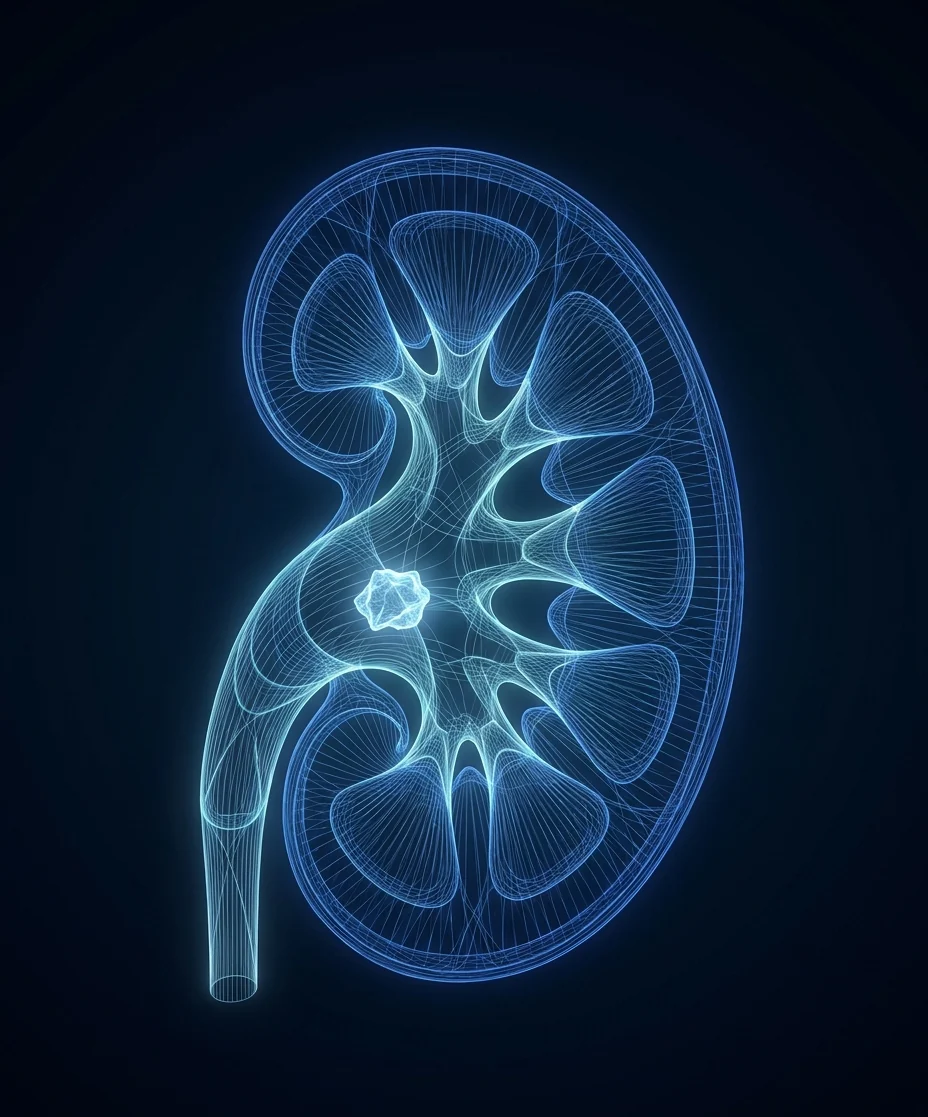
Kidney stones are hard mineral and salt deposits that form inside your kidneys. They can affect any part of the urinary tract — from the kidneys to the bladder. They're one of the most painful medical conditions, but most are now treated without traditional open surgery.

Stones form when urine contains more crystal-forming substances — such as calcium, oxalate, and uric acid — than the fluid can dilute. They range from tiny specks to stones the size of a golf ball. Stones smaller than 5mm often pass on their own; larger stones or those causing blockage typically require treatment.

If you're experiencing severe flank or abdominal pain, blood in the urine, nausea, or difficulty urinating, contact our office immediately. Same-day appointments are available for acute kidney stone pain.

Get Seen Today

Common Symptoms

  • Severe pain in the side, back, or below the ribs
  • Pain that radiates to the lower abdomen and groin
  • Blood in urine (pink, red, or brown)
  • Nausea and vomiting
  • Frequent, painful, or burning urination
  • Fever and chills (if infection is present — seek care urgently)

When to seek emergency care: If you have kidney stone pain AND fever, chills, or inability to urinate, go to the emergency room immediately. This may indicate an infected, obstructed kidney — a medical emergency.

The Right Treatment
for Every Stone

Dr. Sawkar selects the optimal treatment approach based on stone size, location, composition, and your individual health factors.

Watchful Waiting

Small stones (<5mm) often pass spontaneously with increased hydration and medications to facilitate passage. Dr. Sawkar provides guidance and monitors progress.

Best for: Small stones without blockage or infection

Shockwave Lithotripsy (ESWL)

Non-invasive treatment using focused shockwaves to fragment stones from outside the body. No incisions, no anesthesia. Fragments pass naturally in urine over days to weeks.

Best for: Kidney stones up to ~2 cm in accessible locations

Laser Ureteroscopy (URS)

A thin scope is passed through the urethra and bladder to reach the stone. A Holmium laser vaporizes or fragments the stone. No incisions. Highly effective for stones anywhere in the urinary tract.

Best for: Ureteral stones, smaller kidney stones, harder stone types

Percutaneous Nephrolithotomy (PCNL)

For very large or complex kidney stones. A small incision in the back allows direct stone removal using a nephroscope and laser. Most effective for stones >2 cm. Performed under general anesthesia with short hospital stay.

Best for: Large or complex stones, staghorn calculi

Stone Prevention Matters Too

Treating the stone is only part of the picture. Dr. Sawkar also focuses on why stones form in the first place — and how to prevent them from coming back.

  • 24-hour urine stone risk analysis
  • Stone composition analysis
  • Dietary and hydration guidance
  • Medications when indicated (potassium citrate, thiazide diuretics)

Recurrence rates for kidney stones can exceed 50% without preventive measures. Working with Dr. Sawkar on long-term prevention dramatically reduces your risk.

Kidney Stone FAQ

We understand kidney stones are painful and often stressful. Here are answers to the most common questions patients ask.

Contact Our Office

Stone size and location are the primary factors. Stones under 5mm in the ureter have about a 70% chance of passing spontaneously. Larger stones, stones causing significant blockage, or stones accompanied by infection generally require treatment. Dr. Sawkar can evaluate your imaging and symptoms to give you clear guidance.

Shockwave lithotripsy (ESWL) is typically performed with IV sedation or light anesthesia, so patients are comfortable during the procedure. Afterward, some soreness in the treatment area and mild discomfort as fragments pass are common. Most patients return to normal activities within a day or two.

Most patients who undergo laser ureteroscopy as an outpatient procedure return to desk work within 1–3 days. If a ureteral stent is placed (commonly done to allow healing and prevent swelling-related blockage), stent-related discomfort may affect activity levels until it's removed, typically 1–2 weeks later.

Without preventive measures, kidney stones recur in about 50% of people within 5–10 years. With appropriate dietary changes, hydration optimization, and sometimes medication, recurrence rates can be dramatically reduced. Dr. Sawkar recommends a metabolic evaluation after your first stone to identify and address contributing factors.

Yes — significantly. Staying well hydrated (aiming for at least 2.5 liters of urine per day) is the single most effective prevention strategy. Depending on your stone type, dietary changes such as reducing sodium, animal protein, or oxalate-rich foods may be recommended. A 24-hour urine analysis helps tailor recommendations to your specific chemistry.

Dealing with Kidney Stone Pain?

Don't wait it out alone. Same-day appointments available for acute kidney stone pain. Our office can evaluate, treat, and prevent future episodes.

Same-day appointments for acute stone pain · Telehealth available · Most insurance accepted